

Local SEO for Small Businesses: Complete Guide for More Customers
Meta & Overview (for Adfloats Page Setup)
- Meta Title: Local SEO for Small Businesses (2026 Guide) | Adfloats
- Meta Description: Learn how small businesses can use local SEO, Google Business Profile, and proven strategies to rank higher in local search results and get more customers. Step-by-step guide from Adfloats.
- Focus Keywords: local SEO for small businesses, local SEO, local business SEO, local SEO tools, on page SEO for local business, local SEO strategy
- Permalink: /blog/local-seo-for-small-businesses-complete-guide
- The visible article opens with a concrete promise about getting more customers from local search in 2026.
Introduction: Why Local SEO Matters in 2026
Most people now discover nearby shops, clinics, restaurants, and service providers the same way: they pull out their phone and type something into a search engine. Whether it is “dentist near me” or “best biryani in Hyderabad,” these searches happen billions of times every day. If your business does not show up in those results, you are invisible to the customers who are already looking for what you sell.
The numbers make this painfully clear. Around 30% of mobile searches are location-related, meaning the person searching wants something nearby. Even more striking, 78% of nearby searches lead to in-store visits within a day, and roughly 28% of local searches result in a purchase. Meanwhile, organic search accounts for 53% of all site traffic across the web, making it the single largest channel for discovery.
SEO stands for search engine optimization, and it improves website visibility in search engine results. Local SEO is a specialized branch of that practice: it focuses on helping businesses appear in unpaid, location-based results, including google search, Google Maps, and the local pack (the map with three highlighted businesses you see at the top of many searches). Local SEO helps businesses appear in Google Maps results for queries like “plumber near me” or “café in Mumbai Andheri,” driving phone calls, bookings, foot traffic, and revenue without depending only on paid search.
At Adfloats, we are a digital marketing agency and training company that helps small local businesses and individuals learn and implement SEO and Google Ads, powered by AI tools. Whether you want us to do the work or prefer to learn the skills yourself through our hands-on training programs, this guide gives you the complete playbook.
Here is what we will cover: what local SEO actually is, how search engines rank local businesses, a step-by-step implementation plan (covering on page seo, off page seo, link building, reviews, and citations), the best local seo tools to use, how to measure results, and when to bring in expert help.

What Is Local SEO? (Clear Definition for Small Businesses)
Local SEO is the practice of optimizing your online presence so your business appears prominently in the map pack, Google Maps, and organic search results when users search for services in a specific city, neighborhood, or area. The goal is simple: more local visibility, more customers.
How does it differ from general search engine optimization seo? General SEO targets national or global organic search results for broad terms like “digital marketing agency.” Local SEO, on the other hand, targets searches tied to a specific place, such as “digital marketing agency in Ahmedabad” or “AC repair in Dubai Marina.” When someone types “best pizza in Brooklyn” or “dentist in Koramangala,” search engines trigger a local pack with map results, and that is where local businesses need to be visible.
Local SEO matters for businesses with physical locations (restaurants, clinics, salons) and equally for service-area businesses (plumbers, cleaning services, electricians) that travel to their customers. It works across search engines like Google, Bing, and Apple Maps, but this guide focuses primarily on google search because it dominates market share in most countries.
SEO consists of three main types: on-page, off-page, and technical. On-page SEO optimizes individual web pages for search visibility. Off-page SEO builds authority through external activities like backlinks and mentions. Technical SEO ensures search engines can crawl and index a site, focusing on site architecture and user experience. All three types play a role in local SEO.
One more thing worth noting: local SEO now also influences how local brands appear in AI-powered answer engines and LLMs. But the core foundation remains classic local search optimization, and effective SEO is an ongoing process across different search interfaces. SEO is an ongoing process requiring continuous monitoring and improvement, not a one-time setup.
How Local Search Engines Work for Nearby Results
Google uses a local algorithm layered on top of its main search algorithm to rank businesses for queries with local intent. Understanding this system, even at a basic level, helps you make smarter decisions about where to invest your time.
Search engines use crawlers to discover new web pages. These crawlers follow links and read XML sitemaps to find content. Once discovered, search engines index pages to store them in a database. Ranking occurs after crawling and indexing are complete. For local results, Google adds another layer: it evaluates your google business profile data, online reviews, and proximity to the searcher.
Search engines evaluate over 200 ranking signals to determine where a page should appear. For local searches, Google highlights three primary factors: proximity (how close you are to the searcher), relevance (how closely your business matches the search query), and prominence (your overall reputation and authority online).
You cannot control proximity directly, but you can strongly influence relevance and prominence through a structured local seo strategy. SEO involves understanding user search intent and creating relevant content that matches what people are actually searching for in your area. When you get relevance and prominence right, you can sometimes overcome a distance disadvantage.
Good local SEO improves both your google business profile visibility in the map pack and your website’s search engine ranking in organic results for local queries.
Local Pack vs Organic Search Results
The local pack is the map with three highlighted businesses plus a “More places” link that typically appears above or near the top of search engine results pages for queries like “coffee shop near me.” It is powered primarily by google business profile data, reviews, and proximity.
Below the local pack, you see traditional search results, the standard blue links from web pages. These organic search results rely more on website content, on page seo quality, technical seo, and backlinks. Paid search results appear above organic results on SERPs as well, marked with an “Ad” label.
Here is the opportunity: a small bakery can rank in both the map pack and the organic results for “birthday cake shop in Pune Kothrud” with proper local SEO. Appearing in both result types maximizes clicks, calls, and store visits for the same search term.
Organic search results take weeks to months to show impact, unlike paid ads which can deliver traffic the same day. But organic traffic is sustainable and compounds over time.
Key Ranking Signals for Local SEO
Not all signals carry equal weight for the map pack versus organic listings. Here is a simplified breakdown:
| Signal | Affects Map Pack? | Affects Organic? |
|---|---|---|
| Google Business Profile completeness | High | Low |
| Reviews (quantity, rating, recency) | High | Medium |
| Proximity to searcher | High | Low |
| NAP consistency (Name, Address, Phone) | High | Medium |
| On-page content with local keywords | Medium | High |
| Backlinks from local/relevant websites | Medium | High |
| Website authority (domain authority) | Low | High |
| Technical SEO (speed, mobile, schema) | Low | High |
A key industry finding: 36% of SEOs consider Google Business Profile the top ranking factor for local pack results. High-quality backlinks act as a vote of confidence for content and strongly affect organic rankings. Earning backlinks from reputable sources indicates content value to search engines.
The good news: you do not need to perfect every signal at once. Consistent improvement across these areas over a few months delivers strong results.

Step-by-Step Local SEO Strategy for Small Businesses
This section is the core, actionable roadmap. Follow these steps over 60 to 90 days, and you will see measurable improvements in local rankings, calls, and foot traffic.
Local SEO is not a one-time task. But a structured first 90 days can dramatically improve your website’s visibility and local visibility. Treat each step as a mini-project with clear outcomes.
Adfloats can either execute this entire roadmap as an agency service or teach it in a hands-on training program, depending on whether you prefer done-for-you or DIY with guidance. An effective SEO strategy aligns with business objectives, so adapt each step to your specific business.
1. Claim and Optimize Your Google Business Profile
Your google business profile (GBP, formerly Google My Business) is the foundation of local SEO. Without it, you cannot appear in Google Maps or the local pack.
Setup steps:
- Go to google.com/business and claim your profile
- Verify via postcard, SMS, or email
- Ensure your business name exactly matches your real-world brand (no keyword stuffing)
Essential fields to complete:
- Primary category (e.g., “Dental Clinic,” “Digital Marketing Agency”)
- Secondary categories (e.g., add “SEO Company” if relevant)
- Accurate address or service area
- Phone number and website URL
- Opening hours, including special and holiday hours
- Business description (up to 750 characters)
Add high-quality photos: exterior, interior, team, products, and before/after shots for service businesses. Profiles with over 100 photos get about 42% more direction requests than those with fewer than 10. Complete profiles receive roughly 7x more clicks than incomplete ones.
Use GBP features actively: Products/Services lists, Q&A, attributes (like “wheelchair accessible” or “cashless payments”), and weekly posts for promotions or educational content. Businesses that post weekly on GBP see about 28% more engagement.
Keep your GBP NAP data perfectly consistent with your website and contact pages. Mismatches confuse search engines and weaken trust signals.
2. Build a Local SEO-Friendly Website (On-Page SEO Basics)
Even if GBP drives many leads, a well-optimized website is crucial for organic search, conversions, and long-term authority. On-page optimization tells search engines about the content of specific pages and helps them match your site to relevant queries.
Minimum pages every local business needs:
- A focused homepage
- Dedicated service pages
- A contact page with embedded Google Map
- Location-specific landing pages (for multiple branches or service areas)
On-page optimization includes crafting engaging meta titles and descriptions. Use one main keyword plus city/area per page in the title tag, H1, URL, and naturally in body copy. For example: “Emergency Plumber in Chennai Velachery – 24/7 Service.”
SEO-friendly URLs should be short, descriptive, and keyword-rich. A clear site structure helps both users and search engines navigate a website. Mobile-friendliness is essential due to Google’s mobile-first indexing, so test your site on phones regularly.
Include NAP details in your footer and contact page, and mark them up with local business structured data (schema) where possible. This helps search engines understand your business location and type. Images should have descriptive filenames and alt text for better visibility in search results.
Add locally relevant content: nearby landmarks, neighborhood names, local case studies, and testimonials mentioning the locality. Every key page should have strong calls to action: click-to-call buttons, WhatsApp chat links, booking forms, and clear value propositions like “Same-day AC repair in Gurgaon – call before 5 pm.”
3. Do Local Keyword Research and Content Optimization
Keyword research identifies what users search for online and is essential for both organic and paid search. For local SEO, the process is straightforward: combine your core services with city or area modifiers.
Examples:
- “digital marketing course in Pune”
- “family restaurant in Leeds city centre”
- “best dermatologist in South Delhi”
Keyword research involves understanding why a user is searching for certain terms, not just the words themselves. This is search intent, and matching it is what separates pages that rank from pages that do not. SEO strategies should align with user search intent and keywords, and they should focus on user intent and outcomes.
Recommended tools:
- Google Keyword Planner: use location filters to get approximate search volumes for city-specific keyword phrases
- Google Search Console: check which search queries already bring impressions and clicks
- SERP autofill suggestions: type your service into Google and note what it auto-suggests
Long-tail keywords attract more qualified traffic to a website. A search like “how much does dental implant cost in Mumbai in 2026” has clear commercial intent and lower competition than “dentist Mumbai.”
Effective keyword research improves content visibility in search results. Optimizing for local keywords drives targeted local traffic. Group keywords by intent (informational, commercial, navigational) and create or optimize specific web pages for each commercial keyword group.
Creating topic clusters builds topical authority for a website. Content should be mapped to topics to improve authority. For example, a dental clinic might have a pillar page on “Dental Services in Pune” with supporting blog posts on implants, braces, teeth whitening, and costs. Creating high-quality content enhances a website’s search engine ranking over time.
Content should start with the answer to the user’s question for better engagement, then expand with details. Refreshing old content keeps it relevant and boosts SEO performance, so revisit published pages quarterly.
At Adfloats, we use AI-assisted tools to speed up keyword clustering and content briefs while keeping final writing human-edited and localized.
4. Get Local Citations and Directory Listings
Local citations are online mentions of your Name, Address, and Phone number (NAP) on business directories, maps, and local listing platforms. They help search engines discover and confirm your business data.
Must-have directories:
- Google Business Profile
- Apple Maps
- Bing Places
- Facebook Page
- Yelp or regional equivalent (Justdial, Sulekha)
- 3–5 relevant industry/local directories (Tripadvisor for hotels, Practo for clinics, Zomato for restaurants, local chamber of commerce)
Consistency matters more than quantity. Use exactly the same business name, address format, and phone number on every directory. Inconsistent NAP data across other websites confuses search engines and can hurt your local rankings.
Quarterly audit process: Search your brand name plus city and check the first two to three pages of search results for inconsistent NAPs that need fixing.
Adfloats can manage bulk citation building and correction for multi-location clients as part of our local services and off page optimization efforts.
5. Collect and Manage Online Reviews
Reviews on Google, Facebook, and niche platforms are a major signal of prominence. Businesses with 4.0+ star ratings appear roughly 58% more often in the local pack than those with lower ratings.
Build a systematic review process:
- Send a follow-up SMS or email with a direct review link after a positive experience
- Print QR codes at the checkout counter
- Use WhatsApp message templates for easy one-tap review requests
Focus first on Google reviews (they appear directly in Google Maps and the local pack), then on one or two key vertical platforms relevant to your business.
Best practices:
- Never buy or fabricate reviews
- Avoid offering direct incentives that violate platform guidelines
- Ask for honest feedback
- Respond to all reviews, both positive and negative, in a professional, human tone
Prioritizing E-E-A-T (Experience, Expertise, Authoritativeness, Trustworthiness) builds trust for a website. Reviews are a core part of that trust signal. Add selected review snippets to your website pages, especially local landing pages, to strengthen conversions and keyword relevance.

6. Local Link Building and Off-Page SEO
Link building means earning hyperlinks from other websites to your site. These links act as votes of confidence and improve authority in organic search results. Earning backlinks signals to search engines that a website is trustworthy.
For local businesses, quality matters far more than quantity. A few strong local backlinks can outweigh dozens of weak, unrelated ones.
Concrete local link opportunities:
- Sponsor neighborhood events, school teams, or charity runs
- Collaborate with nearby influencers or bloggers
- Write guest articles on local news portals
- Partner with complementary businesses (e.g., a wedding photographer and a florist linking to each other)
Create link-worthy local content: neighborhood guides, “best of” lists, or data-driven studies about the local market that local media might reference. This kind of valuable content earns links naturally.
Social media activity and PR (mentions without links) also support off page seo by increasing brand searches and overall prominence. Sharing content on social media platforms and getting mentioned in local publications, even without a direct link, can influence how search engines evaluate your brand.
Internal linking connects related content and aids user navigation. It also keeps users engaged and helps search engines find new pages on your site. Link your service pages to relevant blog posts using descriptive anchor text like “our SEO training in Delhi” instead of generic “click here.”
Adfloats uses a mix of manual outreach and AI-assisted prospecting to find ethical, white-hat link opportunities for local clients.
On-Page SEO Essentials for Local Business Websites
This section is a practical checklist focused on elements small businesses can implement without deep technical skills. On-page SEO involves optimizing individual pages for better performance in local search results.
Implementing SEO strategies revolves around technical foundation and keyword-driven content. Even single-location businesses benefit from basic on-page polish: correct titles, meta descriptions, headings, internal linking, and schema markup. Combine this work with google search console monitoring to see which organic search queries already bring search engine traffic and which indexed pages need optimization.
Optimize Titles, Meta Descriptions, and Headings
Create unique title tags for each important page, including primary service plus city or area. For example: “Digital Marketing Agency in Ahmedabad – Adfloats Local SEO Experts.”
Compelling titles and meta descriptions improve click-through rates significantly. Write meta descriptions that summarize the service, mention the location, and include a clear call to action (e.g., “Book a free local SEO audit today”). Aim for 145 to 160 characters.
Optimizing header tags improves content readability for both users and search engines. Using headers structures content for better readability and SEO. Use H1 for the main page topic, H2s for major sections, and H3s for supporting points. Mirror user questions in subheadings like “Why choose our salon in Bandra West?”
Write for humans first, then refine for search engines. Avoid keyword stuffing or unnatural phrasing. Check how your titles and descriptions appear in live search engines using brand queries and main service relevant keywords.
Improve Local Landing Pages and Internal Linking
A high-performing local landing page should include:
- Clear headline with service and location
- Service overview and local benefits
- Customer testimonials mentioning the area
- Embedded Google Map with directions
- Opening hours
- Multiple contact options (phone, form, WhatsApp)
Create separate pages for each branch or service area with localized content instead of one generic “Locations” page with thin information. This content optimization approach gives search engines clear signals about which areas you serve.
Use internal and external links strategically. Connect relevant pages using descriptive anchor text. Feature top local pages in the main navigation or footer to signal their importance. Add FAQ sections addressing common local questions (parking availability, nearby landmarks) that can target People Also Ask features in google’s search results.
Technical Basics: Speed, Mobile, and Core Web Vitals
Technical optimization of a website ensures it is fast-loading and secure. A fast-loading site reduces bounce rates and improves user experience. Fast-loading pages reduce bounce rates and improve user engagement, which is critical when 64% of local searches happen on mobile devices.
Test your website with Google’s PageSpeed Insights and google search console’s Core Web Vitals reports. Fix obvious issues: oversized images, unused scripts, outdated themes.
A solid technical foundation ensures search engines can easily crawl a site. Use HTTPS, clean URL structures, and simple navigation to help both users and search engine crawlers move comfortably through your site. Fix broken links regularly, as they waste crawl budget and frustrate visitors.
Adfloats includes a technical seo audit in its local SEO packages and can train in-house teams to maintain performance over time.
Local SEO Tools and Platforms Small Businesses Should Use
The right seo tools make monitoring and execution more efficient. Here is a curated toolkit of free and affordable local seo tools that owners or small marketing teams can realistically adopt.
Tools do not replace strategy, but they reduce guesswork. SEO performance should be measured using various metrics, and good tools surface those metrics automatically. Common SEO metrics include visibility, organic traffic, and engagement.
Core Free Tools from Google
Google Business Profile: Essential for any local business. Use it to update hours, respond to reviews, publish posts, and track calls and direction requests. Check it weekly.
Google Search Console: Helps you monitor organic search performance, search queries driving impressions, indexing status, and technical errors. Use it to see which relevant queries your site appears for and which pages need work. It also reveals how search engines discover your content.
Google Analytics (GA4): See which local pages bring traffic and conversions (calls, form submissions, bookings). This supports ROI calculations and helps you compare organic search traffic against paid advertising results. Use it monthly to evaluate what is working.
Google Keyword Planner: A keyword research tool that lets you use location filters to get approximate search volumes for city-specific keywords. It is designed for paid search campaigns but works perfectly for organic keyword research too. PPC advertising charges advertisers per click on their ads, and the Planner shows you cost-per-click data alongside volume.
Google Maps app: Manually check how your business appears for important search queries around your service area. Note variations by location, this gives you a real-world view of your search visibility.
Specialized Local SEO and Listing Tools
Rather than recommending specific competing brands, here are the categories of tools to look for:
Citation management tools synchronize NAP data across dozens of directories. These are especially useful for multi-location businesses or those frequently changing addresses or phone numbers.
Rank tracking tools show map pack and organic search rankings for chosen keywords at city or postal-code level. They help you see progress over time and identify where you are gaining or losing ground.
Review management platforms consolidate Google, Facebook, and industry-specific reviews into one dashboard, allowing faster responses and sentiment analysis. SEO metrics should reflect user expectations and content quality, and review platforms help you stay on top of both.
Adfloats combines in-house dashboards and third-party tools to monitor client local SEO, and students in our training programs learn how to use similar stacks. SEO performance metrics include visibility, traffic, and engagement, and we teach you how to track all three.
AI-Powered Helpers for Local SEO
AI tools can assist with drafting Google posts, generating FAQ ideas, summarizing review sentiment, and creating first-draft content briefs. But they should not fully automate content without human review.
Use AI to speed up repetitive tasks, for example, writing multiple location-specific meta descriptions or generating blog topic ideas based on search trends. A human should always check local nuances and brand voice before publishing.
AI can also analyze search results and competitor content for a query like “local seo consultant in Bangalore” to spot content gaps your page can fill. Answer engine optimization is an emerging area where structured, well-organized content helps your business show up in AI-generated answers.
Adfloats is built around AI-powered digital marketing workflows and teaches business owners and marketers how to safely use AI in SEO through our courses.
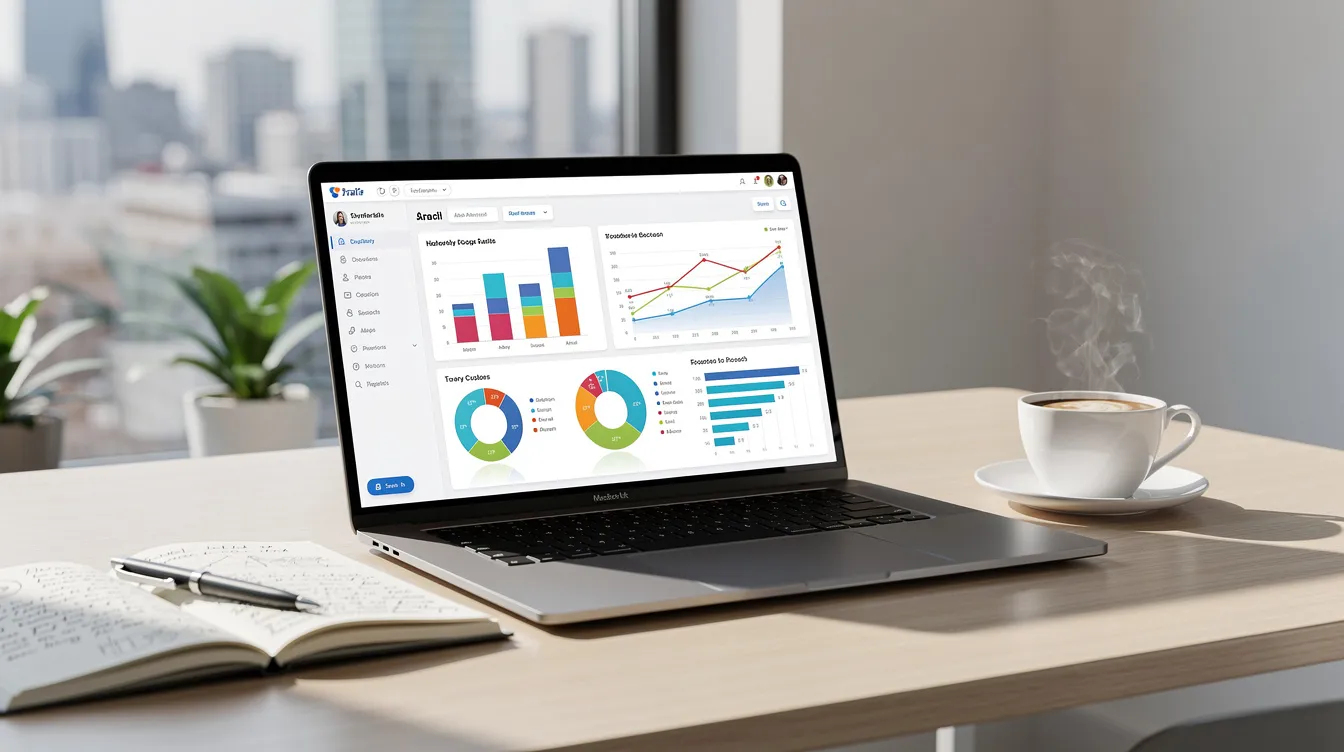
Measuring Local SEO Success and Refining Your Strategy
Set realistic expectations: local SEO often shows early signals within four to eight weeks (more impressions, calls, direction requests), but solid local rankings and steady leads usually take three to six months in competitive cities. SEO can take three to six months to show meaningful results, and SEO rankings can take three to six months to show results as well.
SEO is a long-term strategy while PPC provides immediate results. But the compounding nature of organic traffic means that effort invested now keeps paying dividends for years. 53% of all site traffic comes from organic search results, so the long-term payoff is substantial.
Measuring is essential to know which actions, whether content updates, GBP changes, reviews, or new backlinks, actually move the needle in search results and business outcomes.
Key Metrics for Local SEO Performance
Track a focused set of KPIs monthly rather than drowning in dozens of metrics:
Map-related metrics:
- GBP views (search and maps)
- Calls and direction requests from GBP
- Website clicks from GBP
- Top search queries shown in GBP insights
Website metrics:
- Organic search sessions from local areas
- Conversions: calls, form submissions, bookings
- Top landing pages by traffic and leads
Ranking metrics:
- Average position for priority keywords in both local pack and organic search
- Focus on movement over time, not daily fluctuations
Engagement metrics:
- Click-through rate from search engine results
- Bounce rate and time on page
- Whether visitors from maps or search click to call or get directions
Use a simple monthly dashboard or spreadsheet with before/after comparisons and annotations when major SEO actions are taken.
Iterating Your Local SEO Strategy Over Time
Review data every 30 days to identify which pages or keywords are improving and which are stuck. Adjust content and internal linking accordingly.
Test new GBP categories, photos, and post formats to see what drives more interactions. Experiment with different calls to action on your local landing pages.
Once you start winning for your primary city keywords, expand content to cover additional neighborhoods or micro-locations. A plumber ranking well for “plumber in Gurgaon” might create content targeting “emergency plumber Sector 56 Gurgaon” to capture more specific user intent.
Algorithm changes, new competitors, and shifting user behavior mean local SEO is always evolving. Continuous learning and periodic audits are necessary. Adfloats offers ongoing retainers and training cohorts where clients and students get updated playbooks whenever Google rolls out significant local search updates.
When to Get Help: Adfloats Services and Training for Local SEO
Some small businesses have the time and interest to handle local SEO themselves. Others need expert help to move faster or to avoid costly mistakes. Here are common signs it is time to bring in a specialist:
- You have no time to implement consistently
- You see inconsistent or declining results despite effort
- You have experienced sudden drops in search visibility
- You are planning to scale to multiple locations
- You want to integrate SEO with search engine marketing, social media marketing, and content marketing into one system
Adfloats operates on two sides. Our done-for-you local SEO and digital marketing services come in Basic, Standard, and Premium packages, covering everything from GBP optimization and citation management to content creation and paid search campaigns with Google Ads. On the training side, our practical programs teach SEO, Google Ads, social media marketing, and AI-powered marketing with 100% job placement assistance for individuals pursuing digital marketing careers.
We integrate SEO with paid advertising, social media platforms, and content marketing to build a complete lead-generation system for local businesses. Whether you are a restaurant owner in Pune or a plumbing company in Dubai, the local ranking factors and strategies remain the same; what changes is the execution.
Book a free local SEO audit or enroll in a short course on SEO and Google Ads to get a tailored roadmap for your local business or career path.
The businesses that show up first in local search are the ones that get the calls, the visits, and the revenue. Small businesses that commit to structured local SEO now will be better positioned to compete not only in today’s search engines but also in emerging AI-driven search experiences. The foundation you build today in other search engines and platforms will carry forward. Start now, measure consistently, and keep improving.